Agentic AI vs Generative AI Market
The $200 Billion Shift: Why Agentic AI is Outpacing Generative AI
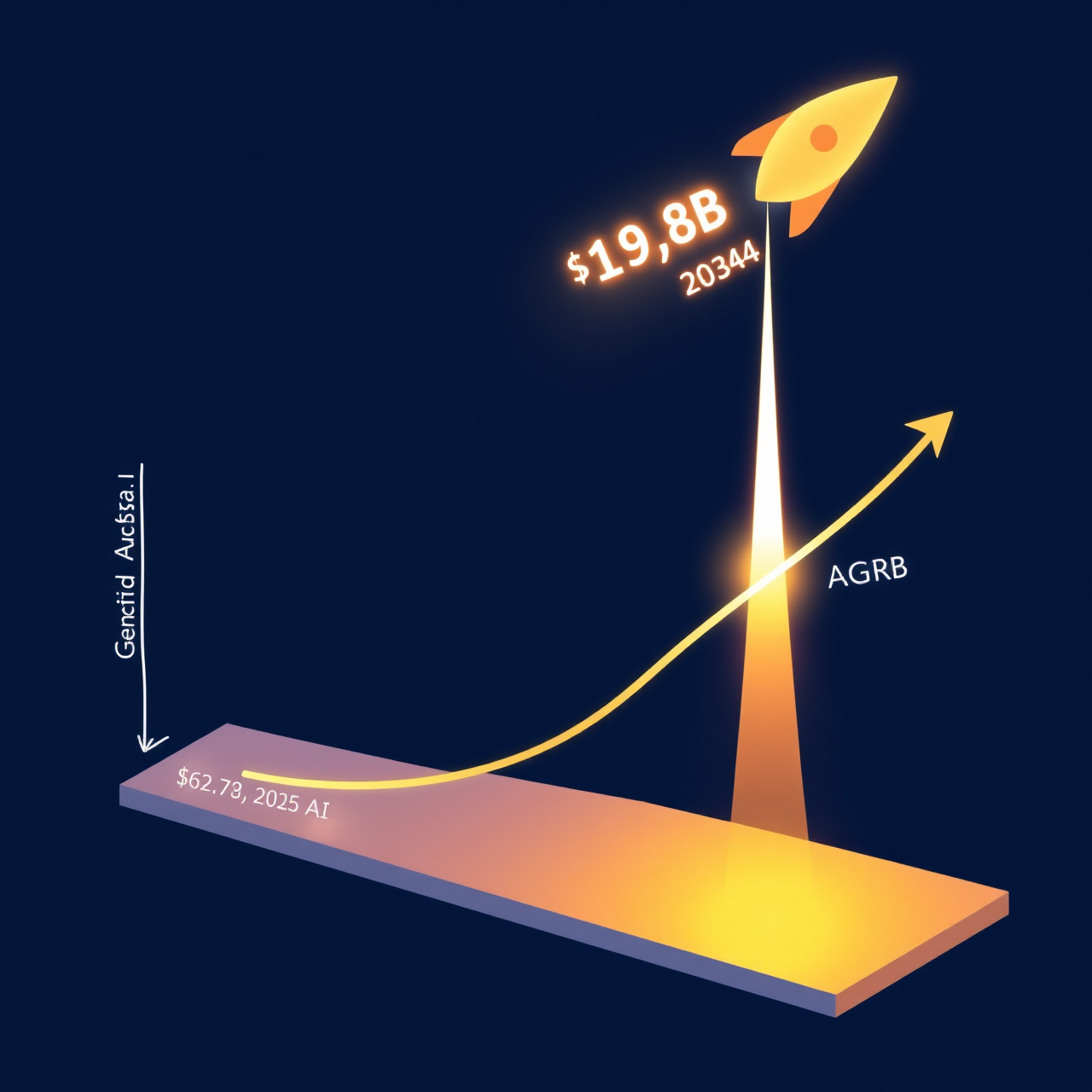
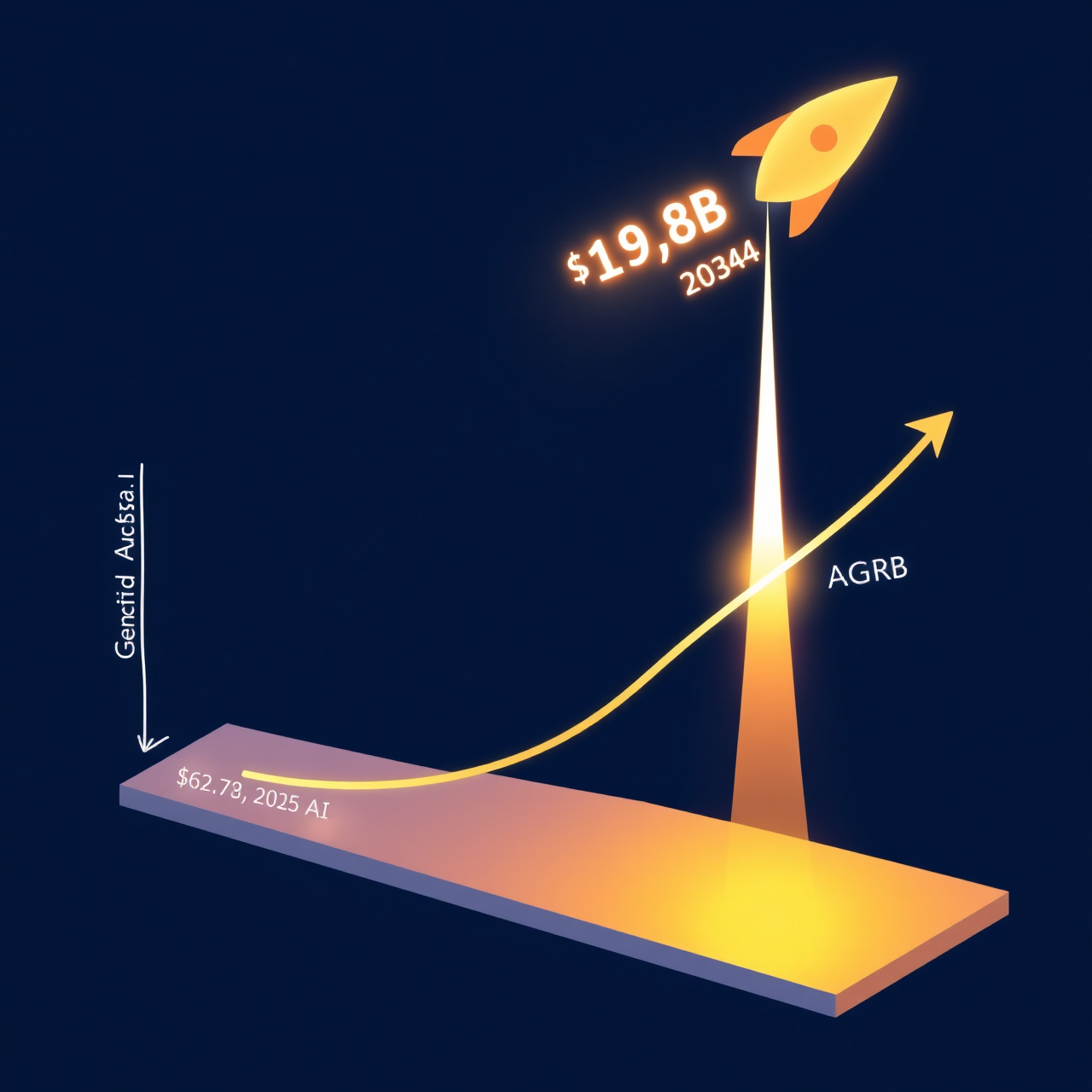
The AI landscape is undergoing a seismic transformation. While generative AI captured the world's imagination, a more powerful and lucrative market is rapidly emerging: agentic AI. The numbers tell a compelling story. Generative AI reached a significant $62.72 billion in 2025. Yet, agentic AI is projected to explode to a staggering $196.6 billion by 2034, growing at a compound annual growth rate (CAGR) of 43.8%. This isn't just growth; it's a fundamental market shift driven by a quest for tangible enterprise value.
Understanding the Core Market Drivers
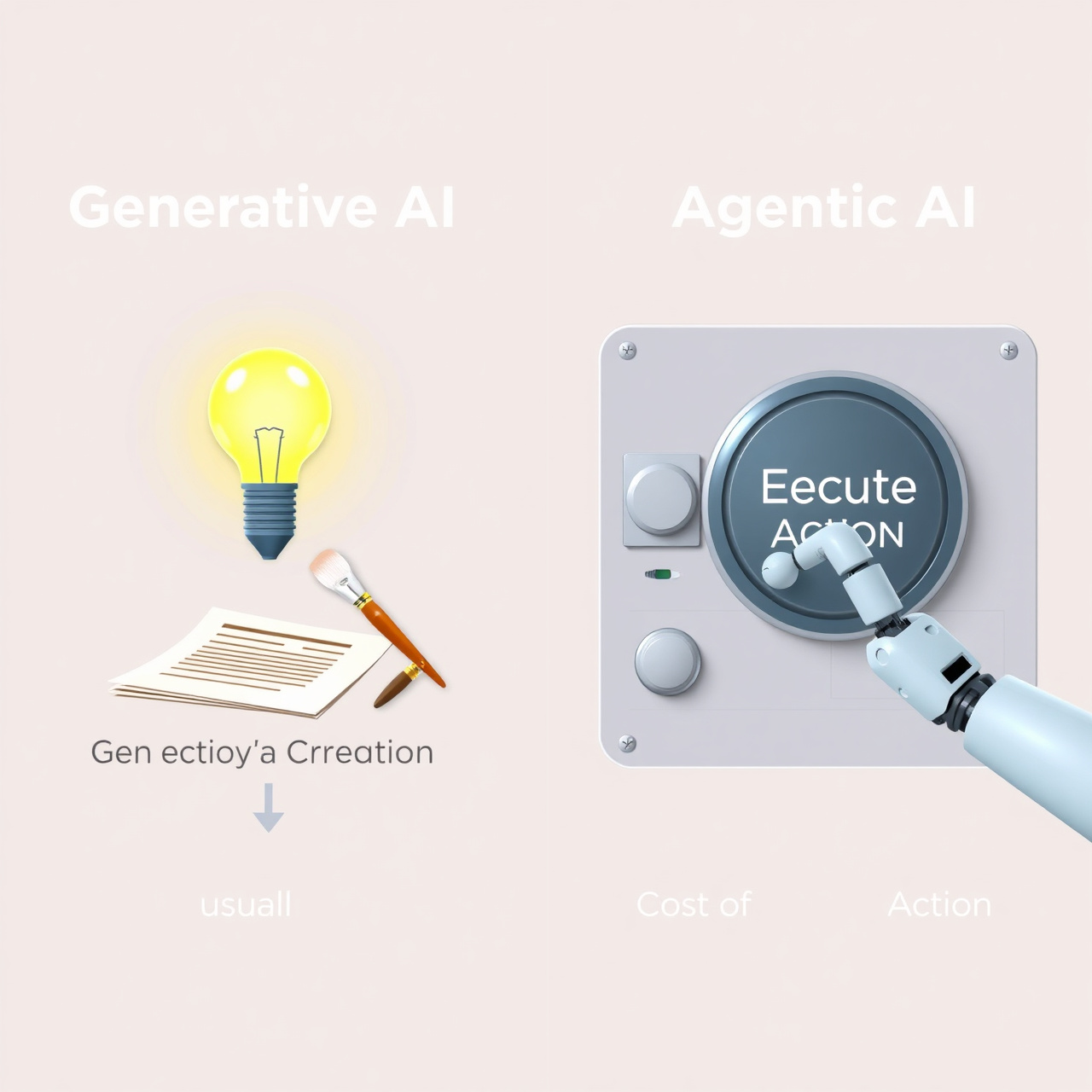
The divergence between these two AI paradigms boils down to a simple but powerful distinction: creation versus action. Generative AI excels at lowering the cost of creation. It produces marketing copy, generates images, and assists with code. Its adoption is widespread, with 78% of enterprises deploying it. However, a critical gap exists—80% of these enterprises report no meaningful improvement in productivity, cost, or revenue.
Agentic AI flips the script by lowering the cost of action. It doesn't just suggest; it executes. This focus on autonomous decision-making and operational execution delivers measurable ROI faster, aligning directly with C-suite demands for performance over mere productivity tools. The market is voting with its wallet, pivoting from passive assistance to active results.
Industry Applications: From Assistance to Autonomy
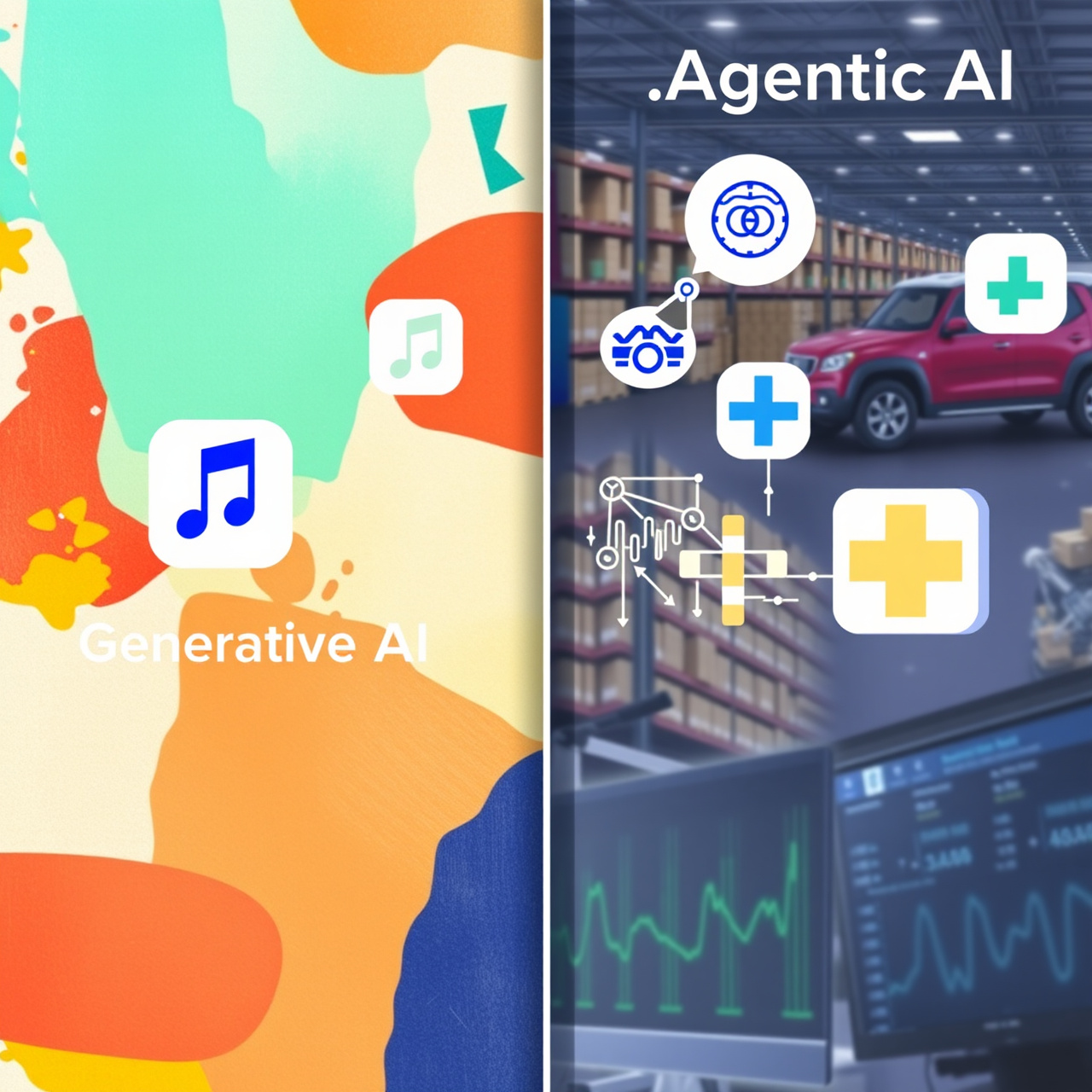
The practical applications highlight why agentic AI's growth trajectory is so steep. Generative AI serves creative and supportive functions: social media content, design prototypes, and synthetic data. It augments human work.
Agentic AI, however, operates in the realm of real-world impact. Its applications drive core business operations and high-stakes decisions:
- Autonomous vehicles and robotics performing physical tasks.
- Supply chain and inventory management systems that self-optimize.
- Healthcare diagnostics providing continuous monitoring and analysis.
- Financial trading platforms executing complex risk-managed strategies.
- IT operations with systems that autonomously detect and respond to incidents.
This shift from content generation to operational execution is where true enterprise transformation—and market value—is being unlocked.
The Enterprise Future is Agentic
The institutional momentum is undeniable. Gartner predicts that by 2028, 33% of enterprise software applications will include agentic capabilities. Organizations are evolving beyond LLM-centric architectures, building "Agentic Meshes"—composable ecosystems that enable multi-agent collaboration and governance.
The message is clear. While generative AI democratized creation, agentic AI is poised to democratize execution. The initial wave of AI focused on what machines could generate for us. The next, far more valuable wave is about what they can accomplish for us. The market isn't just growing; it's fundamentally redefining how enterprises leverage artificial intelligence to act, decide, and thrive autonomously. The $200 billion future belongs to the agents.